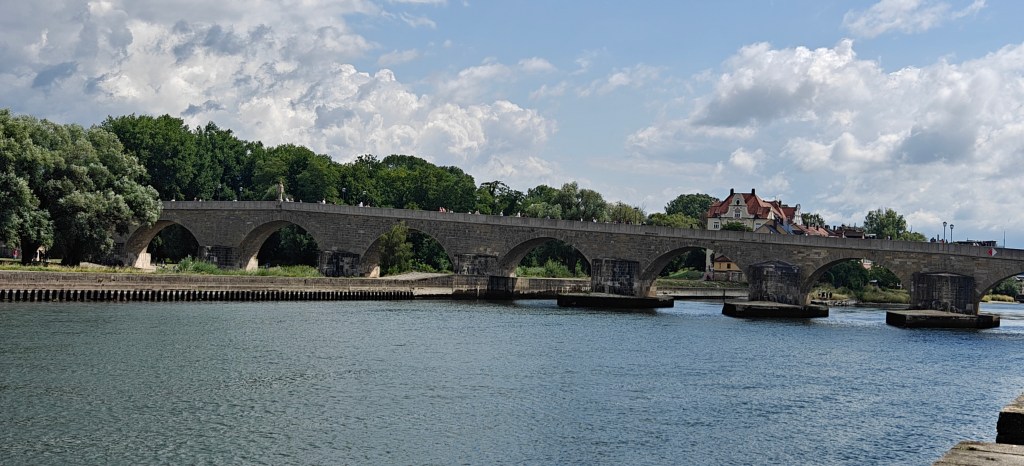
I had finally done it, folks. After almost 4 years of continual interest on the topic of Roman history, I had paid my visit to Italy. But that would be another day’s topic, for I did not only just stay in Italy, I had traveled to Germany for a week. My primary goal there was to investigate the defense lines or the Limes that the Ancient Romans had set up in Germany in order to defend themselves against various “barbarians”. I am quite satisfied with what I saw there and I really did learn quite a lot about Roman legionary traditions, art, and more.
However, I am not going to talk about these in this blog entry since I would really love to write about some of the interesting features that I had seen, learnt, and suddenly remembered about the Roman legions in the frontier.
I would just now go with a brief introduction of the Roman defense line in Germany now. It is formed by various fortresses with legions stationed relative far from the supposed borders (it is not a very clear border), but also enough for the Romans to respond quickly to invasions. Nearer to those borders were walls, mostly made out of wood, with patrol towers sparkled on it, serving mainly the purpose of alerting enemy movement for legion to know and not combat.
The first thing that came into my mind on matter of interesting things about the legionaries was the usages of the defense lines. As a convention of Ancient Rome or any other empire that had incorporated vast land with a diversified population with different ethnicities, one of the Romans primary goals in those distant territories was to Romanize and colonize those parts of the territories in order to facilitate prosperity and stabilities. Their legions were the primary method of the Romans to carry out this deed. Moreover, it not just the legions and the soldiers that serves in it that were capable of doing it. Of course, the legions with their handsome banners, the constructions of infrastructure, and the generally powerful vibe that the legions may exhibit would in some way pose attractions to the locals and deter potential enemies, but they were not the entire force driving the Romanization. No, what I would even argue as the primary way of Romanization was the forces that comes alongside the legionaries, namely families of soldiers, veterans, and merchants. Those people would carry out the task of colonizing and farming the lands around the fortresses that the Romans had set up, helping Roman currency spread in the distant territories, and spread Roman traditions and ideals, completing the full picture of the Romans assimilation and colonization. While on the topic of usages for those Roman defense lines, there’s also the factor of border control in a more modern sense within it. This could be mainly seen in the Patrol towers which I feel like a small custom inspection for the Romans. Besides the normal duty of surveying fields for incoming barbarians, the garrisoned soldiers in those watch towers may encounter some more peaceful guests, mainly merchants. Those soldiers would inspect the carts themselves and probably collect some money from those merchants and then letting them enter the Roman territory. I found this interesting because it just conforms with general feeling that Romans were being too modern for their era, what with all the infrastructures and the senate.
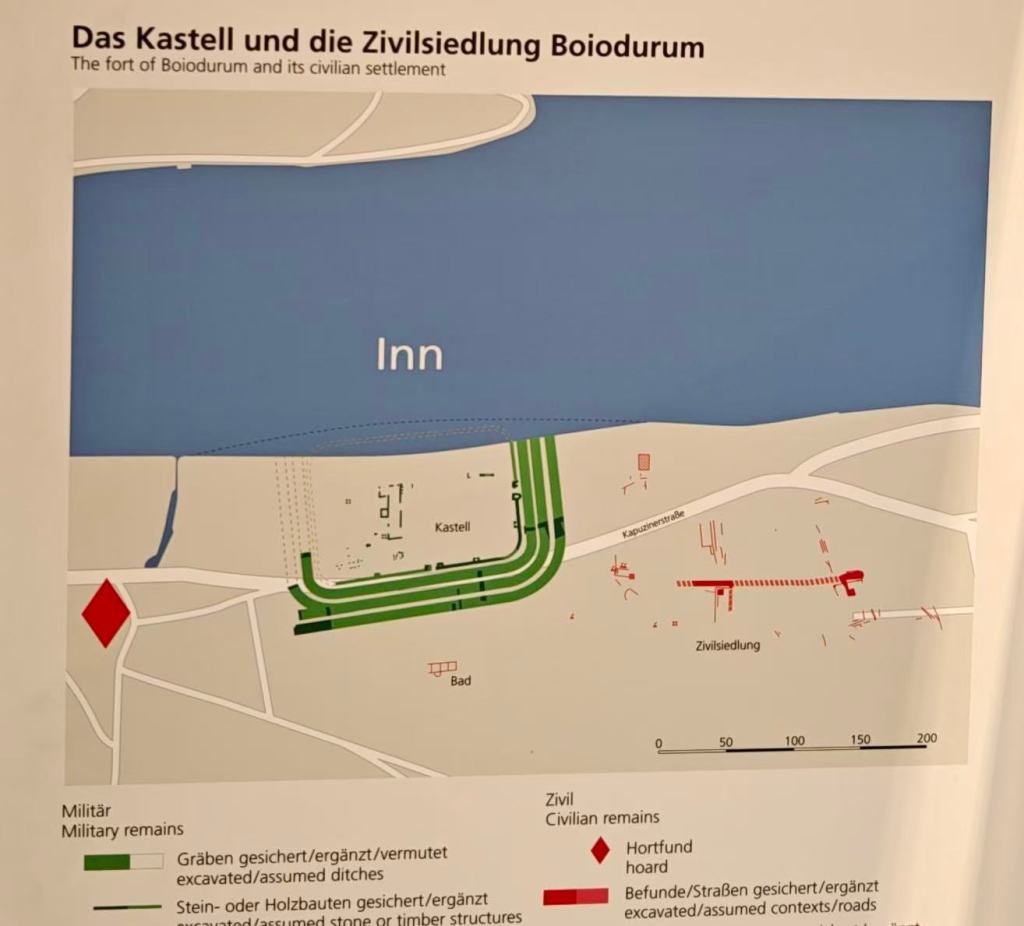
Moving on, the fortresses’ relation to the civilians’ households in those frontiers were very fascinating as well. As a Chinese, my idea of a fortress operating in the frontier with civilians nearby would include the non-combatants within the walls of the fortresses, for safety measures I feel. However, the Roman ones had stationed the civilians and public facilities, the most important were thermae (the roman’s sure do like to take baths, I feel that for the Romans a town is not complete without thermae around), all outside of the walls of the fortresses. This could be because of the fact that the Romans would never expect the enemies to enter that far inside their territories, and that they would probably have suffered defeat before they could reach the fortresses and places of living for the civilians, but I guess Romans had suffered from this ego in the end(this is a joke, my friend got really annoyed because he thought that I was making a statement).
I guess that is all of what had just popped into my mind today. There’s plenty that I haven’t said and I’ll surely talk about Italy and more specific parts of the limes in Germany in future. For now, I’ll just stick with this and wrap up for this entry.
 cataclysm rome
Leave a comment